

Cats are picky. They only stay where they really feel comfortable. Customers are no different.
That's why a strong customer loyalty strategy is so important in retail. It makes your brand stand out, boosts sales, and keeps your customers from going to the competition.
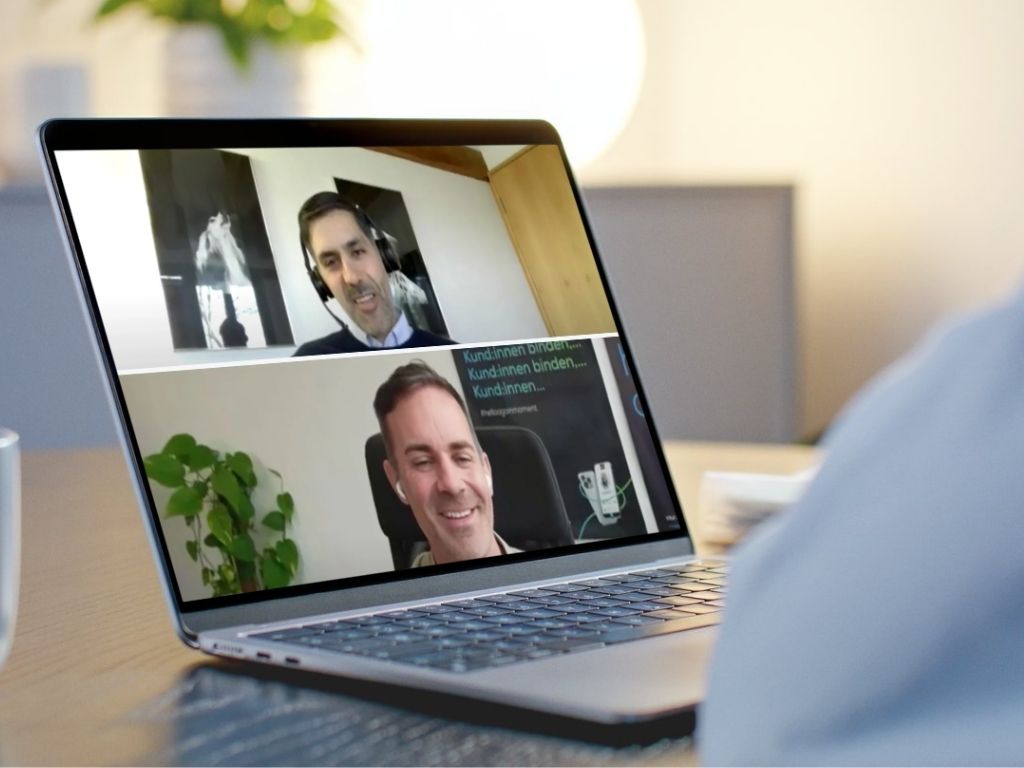
Kölle Zoo shows how this works. The premium provider of pet supplies combines in-store experiential worlds with data-driven customer communication, thereby creating lasting enthusiasm among customers. Ramin Danaei, CEO of Kölle Zoo, shared the secret to this success with us on the hello again podcast.
The challenge: Maintain frequency, increase relevance
Declining foot traffic, rising prices, and increasing online competition: Brick-and-mortar retailers are facing real challenges.
Purchasing behavior is changing, particularly in the pet supplies sector, largely driven by the boom during the COVID-19 pandemic and the subsequent market shakeout.
This is exactly where Kölle Zoo comes in. With 24 large-scale experience markets in Germany and Austria, the company has a clear goal: to inspire lasting enthusiasm among its customers by focusing not on price, but on outstanding quality, excellent service, and—last but not least—emotional appeal.
Experience as a Factor in Building Loyalty: Two Hours Per Visit
Kölle Zoo gets it: Brick-and-mortar retail can excel where online retail reaches its limits—in the personal experience.
Large retail spaces of up to 3,300 square meters, display aquariums, live animals, lovingly designed areas, and events such as dog photo shoots make a visit here an enriching leisure activity.
The result is an average time spent in-store of two hours per customer. This figure is exceptional for the retail sector and creates optimal conditions for cross-selling, in-depth consultations, and strong customer loyalty.
The next step: Systematic Digital Customer Loyalty
To strengthen customer loyalty and make it measurable at the same time, Kölle Zoo launched its own digital customer loyalty program in 2024 in the form of an app, which offers the following benefits, among others:
- Personalized Content: Customers receive information, promotions, and events tailored to their pet's profile.
- Integrated Events: Promote dog photo shoots, consultation days, or local events directly in the app.
- Donation feature: Bonus points can be donated to animal shelters.
- Cross-Channel Integration: Linking offline and online offerings, including in-store inventory displays.
To learn how to set up your own loyalty program from scratch, check out Launching a Loyalty Program: 4 Essential Questions.
The result: Higher voucher values, more engaged customers
The numbers speak for themselves:
- App users spend more: Customers who use the app spend an average of 63 €, which is significantly higher than the overall average.
- Popularity: In some markets, over 34 % of customers use the app.
- High Monthly Usage: 70 % of registered users use the app every month—that's a record high in the industry.
Using the app has a direct impact on the average receipt amount and customer loyalty. We see that in our day-to-day operations as well.
Ramin Danaei, Executive Director of Kölle Zoo
Why Have Your Own Loyalty Program in the Pet Supplies Industry?
Kölle Zoo has deliberately chosen not to use multi-partner solutions such as Payback. Instead of sharing customer data with third parties, the company relies on its own loyalty system.
| Criterion | Standalone Loyalty System | Multi-partner solution |
|---|---|---|
| Data Sovereignty | Full control over customer relationships | Data is shared with third parties |
| Brand Consistency | Experiences and Communication, All in One Place | Brand Steps Back from the Affiliate Program |
| relevance | Offers and content can be customized | Offers are often standardized |
You can find a detailed comparison between multi-partner loyalty programs and in-house solutions at Become a PAYBACK Partner or Develop Your Own Solution?.
Staff as a Key to Success: Customer loyalty begins on the sales floor
A loyalty program stands or falls on its acceptance by the team. That’s why the rollout at Kölle Zoo was closely monitored: Sales associates learned right from the start how to integrate the app into their consultations and explain its benefits.
The result: The app was successfully integrated into everyday operations on the sales floor—a key factor in its high usage rate. To learn how to convince your team and your customers to use a new app, check out Promoting Your Loyalty App: How to Promote Your Customer Loyalty App Effectively.
The 4 Most Important Takeaways for Retailers
- Data-driven decisions can only be effective if company leadership supports and endorses them.
- Not all customers have the same needs. Those who tailor their communication to different target audiences remain relevant.
- Employees are the key to success: Well-trained and motivated teams help drive the customer loyalty strategy and bring it to life in everyday operations.
- Those who go beyond simply making a sale and inspire customers create a deeper connection.
Conclusion: Experience, Data, and Team: The Formula for Success
Kölle Zoo impressively demonstrates how brick-and-mortar retail can hold its own against online competition: with an authentic experience, a standalone digital loyalty program, and a team that’s fully committed to it.
These three elements work together to create customer loyalty that goes far beyond the mere act of selling—an approach from which retailers of all sizes can learn.
FAQ: Frequently Asked Questions About Customer Loyalty in Retail
Why is the in-store experience so important for customer loyalty in brick-and-mortar retail?
Online shopping can never replace the direct, sensory experience of visiting a physical store. Retailers who create genuine emotions and experiences in-store give customers a reason to return that no online store can offer. This is precisely what brick-and-mortar retailers are now leveraging as a competitive advantage.
Is it worth having your own loyalty program instead of multi-partner solutions like Payback?
That depends on your priorities. Having your own platform gives you full control over customer data, your brand, and communication. A multi-vendor solution is often quicker to set up, but offers less customization.
How important is the team to the success of a loyalty app?
This is very important. Without well-trained, enthusiastic employees, even the best app will hardly be used. A personal recommendation on the sales floor is often the deciding factor that prompts customers to sign up.
What role does personalization play in customer loyalty in the retail sector?
A very big one. Today, customers expect content and offers that match their individual interests. Those who ignore this are squandering potential—personalized communication, on the other hand, creates genuine relevance.
How can the success of a retail customer loyalty program be measured?
Key indicators include the app's usage rate, the average receipt value of regular customers, and the frequency of visits. By monitoring these metrics regularly, you can quickly determine whether the program is effective.
Can experiential customer loyalty work in smaller stores as well?
Yes, even smaller stores can create genuine experiences through personalized service, a unique atmosphere, or small events. The basic principles can be applied regardless of the store’s size.