

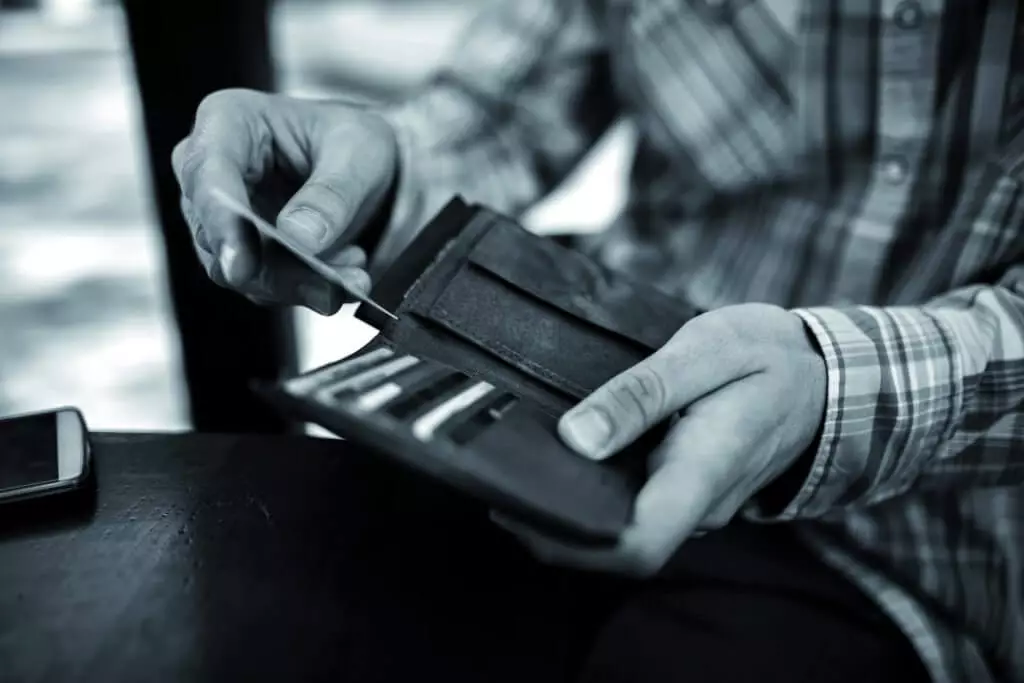
It's usually somewhere between the receipt and the shopping list: the plastic loyalty card. It's rarely within easy reach.
KLIPP Frisör shows us where things are headed: The oldest user of the digital customer loyalty app is a proud 104 years old. Digital technology has long since ceased to be just for younger audiences.
That's reason enough to take a closer look at the drawbacks of the traditional loyalty card and to show how a digital solution These vulnerabilities have been fixed.
Physical loyalty cards: Not very practical to use
For a long time, the classic loyalty card was the most effective way to build customer loyalty—and for good reason. Through discounts or rewards, you encourage customers to stay loyal to you, shop regularly, earn loyalty points, and recommend you to others.
As a stamp card or sticker collection pass, this type of rewards program works really well in the traditional sense. Birthday discounts can also be easily implemented using the loyalty card.
But doesn't all of that work online, too? Yes, and in some cases even better. Many processes are much easier to implement digitally, such as offering personalized discounts based on existing customer data.
Physical loyalty cards: Registration is very cumbersome
A clear disadvantage of traditional loyalty cards is the cumbersome registration process. Customers usually sign up for the customer club in person with a slip of paper containing their personal information.
But that's not all: After that, you'll have to wait until the company has processed the documents and mailed the physical card to you.
It's much easier to do it digitally. You can join the customer club—including the digital loyalty card—in seconds using your smartphone. Your name, email address, and date of birth are usually all that’s needed, and you can start earning loyalty points right away through the loyalty app.
Physical loyalty cards: Direct 1:1 communication is virtually impossible
The most effective loyalty programs are those that build a personal connection with their customers—through continuous, direct communication. However, it's difficult to send a message to a physical loyalty card.
In this regard, businesses rely on customers providing a phone number or email address when signing up. Without this information, direct communication between the business and its regular customers is practically impossible.
Case Study: How KLIPP Reaches Both Older and Younger Customers Digitally
KLIPP Frisör, Austria’s largest hair salon chain, provides a particularly good example. Instead of leaving customers who aren’t tech-savvy behind, KLIPP has opted for a hybrid approach: Those who don’t use digital media keep their traditional loyalty card—but are also encouraged to try out the app.
The results are impressive: About three-quarters of KLIPP’s customer base now uses the digital loyalty card, and 280,000 customers joined the Bonus Club within a year. And yes—the app’s oldest user is actually 104 years old. You can read the full interview with KLIPP’s Head of Marketing, Petra Grill, in Digital Customer Loyalty in Hair Salons: Why Now Is the Right Time.
Physical customer cards: Sustainability looks different
With traditional, analog loyalty programs, participants always need a physical card—usually made of plastic, which often generates unnecessary waste. Even paper tickets with stamps end up in the trash, and they’re often forgotten at the register of all places.
A digital solution not only reduces plastic and paper waste, but can also Digitizing Accounting. A well-known example of successful digitization in the retail sector is the drugstore chain Müller: Their digital solution combined several steps—from earning points to the payment process—into a single transaction.
So the analog solution completely lacks the sustainability aspect. What’s more, customers have to carry their card with them at all times—with the risk of leaving it at home or in another bag. A digital solution takes care of that, too.
| Criterion | Physical loyalty card | Digital Customer Card |
|---|---|---|
| Registration | Paper form, mailed by post, often a wait of several days | Sign up in seconds using your smartphone |
| Communication | Usually, there is no way to contact them directly | Push notifications, personalized offers |
| Sustainability | Plastic or paper waste | No physical waste; digital invoicing is possible |
| Suitability for everyday use | Can be forgotten or lost | Always at your fingertips on your smartphone |
You can find a detailed comparison of both options in Digital Customer Card vs. Plastic Card: Advantages and Disadvantages.
Conclusion: The digital loyalty card is winning—with every target audience
For a long time, physical loyalty cards were the best way to build customer loyalty. Today, however, they can barely keep up with market demands—the digital version clearly has the edge when it comes to ease of use, registration, communication, and sustainability.
KLIPP Frisör impressively demonstrates that digital solutions truly reach all age groups. If you want to strengthen customer loyalty, a digital solution that includes a loyalty program is exactly the right move.
FAQ: Frequently Asked Questions About the Drawbacks of Loyalty Cards
What are the biggest drawbacks of a physical loyalty card?
These include, above all, the cumbersome registration process using paper forms, the lack of direct communication, and the plastic or paper waste. In addition, the card is easily forgotten or lost in everyday life. A digital solution addresses all these issues at once.
Is a digital loyalty card also suitable for older customers?
Yes, the example of KLIPP Hair Salon clearly demonstrates that digital loyalty apps work regardless of age—their oldest user is 104 years old. It’s important to offer a simple analog alternative at the same time, so that no one feels left out. This way, the transition can take place gradually and without pressure.
Do I have to completely phase out the physical loyalty card?
No, a hybrid approach also works very well, depending on the target audience. KLIPP Frisör keeps the traditional menu for customers who aren’t tech-savvy and encourages everyone else to use the app. This way, you can reach your entire target audience without losing loyal existing customers.
How does the registration process work for a digital loyalty card?
Usually, your name, email address, and date of birth are all you need to sign up in just a few seconds using your smartphone. You can then start earning loyalty points right away through the app. This is much faster than the traditional sign-up process involving a form and mailing it in.
Is a digital loyalty card more sustainable than a plastic one?
Yes, a digital solution reduces plastic and paper waste because there is no longer a need to produce and mail physical cards. In addition, billing can also be digitized. All in all, this makes the digital option significantly more resource-efficient.
How can I make sure I'm really reaching my customers?
The most important thing is to actively ask for contact information—such as an email address or cell phone number—during registration. This is the only way you can send personalized offers and push notifications later on. Without this information, even the best digital solution remains untapped potential.