

Unbelievable, but true: The oldest user of KLIPP Frisör's digital customer loyalty app is a proud 104 years old!
Many companies are still figuring out how to navigate digital transformation in their hair salons and remain competitive for the future without losing their regular customers. Austria’s largest hair salon service provider has already succeeded in doing so: KLIPP Frisör is making a big impression with a holistic approach that Digitalization and Analog Advertising Materials combines these elements, thereby appealing to a wide range of customers.
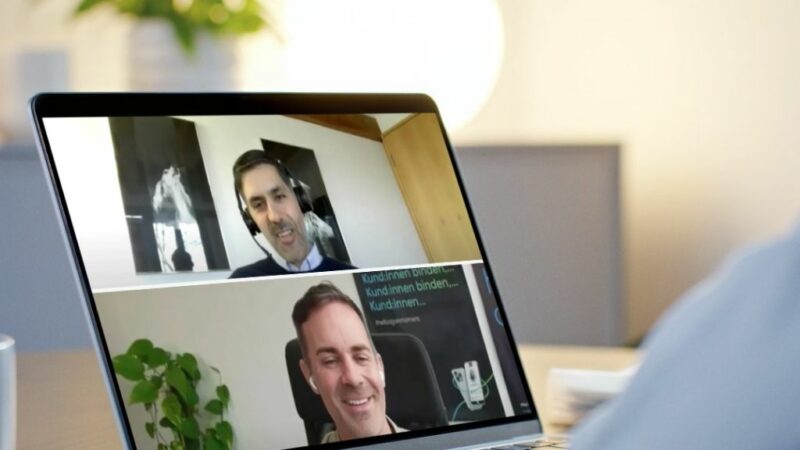
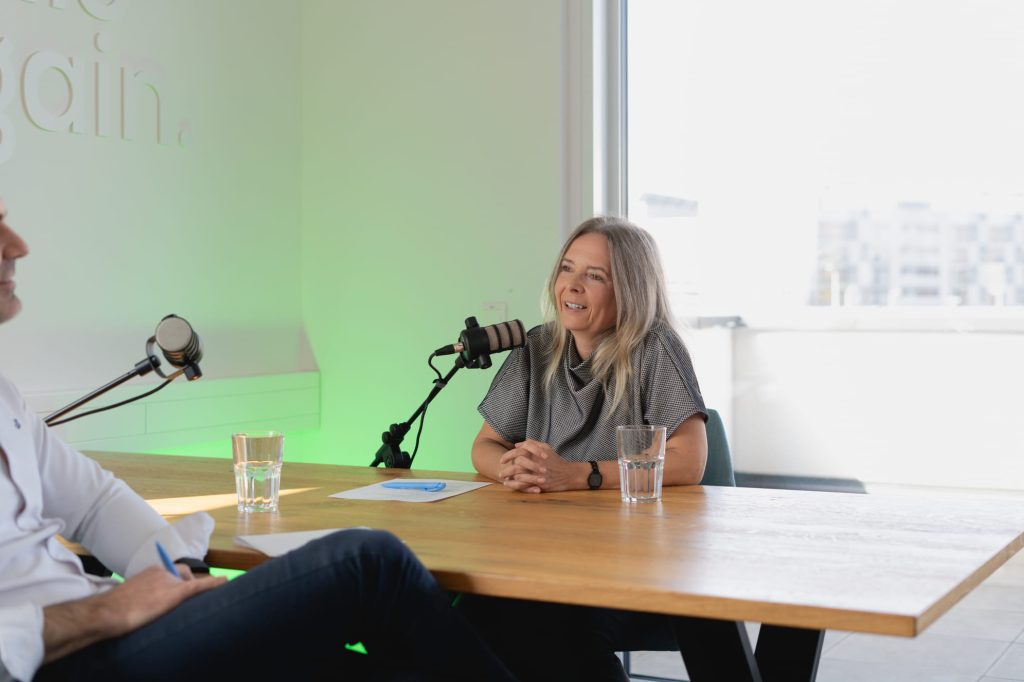
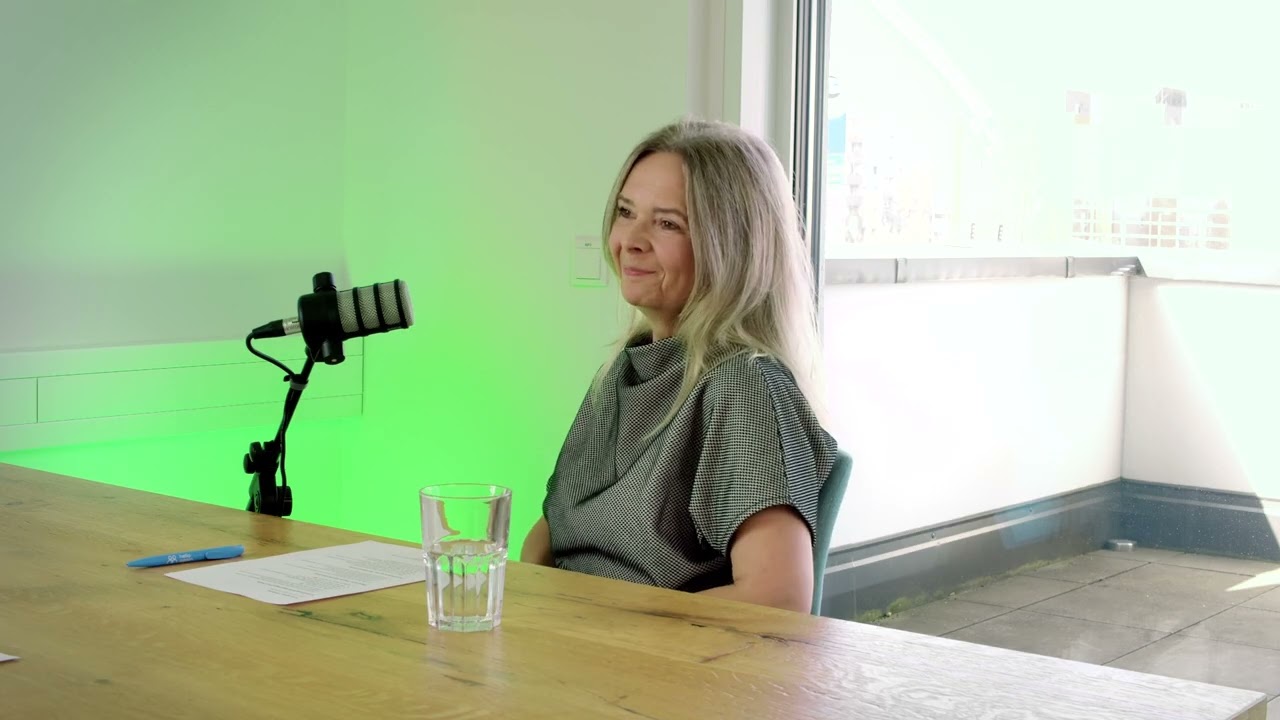
We had the opportunity to speak with Marketing Director Petra Grill. On the "hello again" podcast, she shares her secrets to success with us and offers valuable advice on customer retention for hair salons.
The essential step for customer loyalty
For KLIPP Frisör, digitalization has changed everything. Petra Grill explains that before the app, it was difficult to obtain important information about loyal customers or walk-ins. The customers’ ages were also unknown, since, as a walk-in salon, no customer database had.
The digital solution has enormously improved the quality and quantity of data. Both employees and customers wanted the app. The Corona pandemic additionally showed how important it is to understand which customers have been absent.
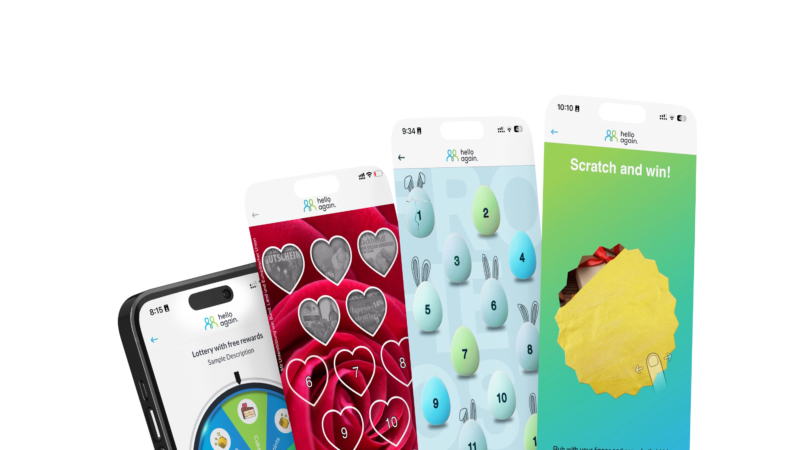
A digital solution offers more opportunities for personalized offers and targeted communication than traditional stamp books.
Today, digital solutions offer us far more opportunities for personalized offers and targeted communication than traditional stamp books.
Petra Grill, Marketing Manager at KLIPP Frisör
Strategy and Personalization as a factor for success
A clear strategy is the basis for a successful digitization. But how do you achieve this when the target group is so diverse – from toddlers to seniors?
Before you digital solution When implementing this in your company, you should consider the following points:
- Define goals: What exactly does your digital solution aim to achieve? Do you want to improve customer service, optimize the customer experience, or simply attract more members to your rewards program?
- Personalization: Your reward programs should be tailored to individual needs. Customers who visit more often but spend less could be rewarded differently than, for example, customers who get elaborate color treatments.
- Customized Offers: Digital tools are fantastic for targeting promotions specifically at the customers for whom they are truly relevant.
- Keeping Track of Costs: Discounts and rewards are attractive, but don't forget to factor in the significantly higher redemption rate driven by push notifications.
- Involving staff: Your team's commitment is absolutely crucial. KLIPP, for example, involved salon managers in the project early on to gather valuable, practical input and ensure internal acceptance of the app.
A smart way between app and customer card
Although the Focus on Digitalization Given this, it is crucial to also take into account customers who do not use digital media. Petra Grill explained to us how KLIPP has addressed this:
For customers who do not use digital media, KLIPP has retained its analog solution in the form of a traditional loyalty card. This is because many of them have often been loyal to the hair salon for decades, and it would be counterproductive to disregard that loyalty. Nevertheless, the numerous benefits also motivate them to use the app.
Approximately three-quarters of KLIPP's customers currently use the digital loyalty card, while the remaining customers use the analog card. This is an excellent example of a hybrid approach that reaches all target groups.
So gelang es KLIPP Frisör innerhalb eines Jahres, 280,000 customers for the bonus club to win. In some salons, the percentage is even 75 % of the customer base.
| Aspect | Digital App | Classic Loyalty Card |
|---|---|---|
| Data Quality | Detailed information on age and behavior | Very little data is available on the customer base |
| Communication | Targeted, personalized push notifications | Cannot be addressed directly |
| target group | Reaches all age groups, including 104-year-olds | Popular with long-time, loyal regular customers |
| Use at KLIPP | About 75 % of the customers | About 25 % of the customers |
Conclusion: Digitalization and tradition don't have to be a contradiction
KLIPP Hair Salon impressively demonstrates that digital customer loyalty knows no age limits and doesn’t have to leave any regular customers behind. With a clear strategy, genuine personalization, and a hybrid approach combining an app and a loyalty card, you can truly reach all target groups. You can read more about the technical possibilities in our article on hello again Loyalty App.
Frequently Asked Questions About Digital Customer Loyalty in Hair Salons
Is a loyalty app also suitable for older customers?
Yes, absolutely. The example of KLIPP Frisör shows that even a 104-year-old customer actively uses the app. The key is simple, intuitive operation that requires no prior technical knowledge.
Do I have to completely do away with the traditional loyalty card?
No. A hybrid approach—offering both a digital app and a traditional loyalty card—reaches the broadest audience. That way, you won’t lose long-time loyal customers who don’t (yet) want to use an app.
How important is personalization at a hair salon?
Very important. Different customers have different needs—for example, frequent visits on a smaller budget or infrequent appointments involving more extensive treatments. Personalized rewards specifically target both groups.
How can I get my team on board during the rollout?
Involve your team early on—ideally as early as the planning phase. KLIPP, for example, actively involved salon managers in the project to gather practical feedback and ensure internal acceptance of the app.
What role does data play in customer retention at a hair salon?
A very big one. Without a digital solution, basic information—such as the age of the customer base or which customers aren't returning—is often missing. Digital tools make this data visible and actionable for targeted measures.