


Why do customers choose one product and ignore another? What unconscious mechanisms drive purchasing decisions? And how can companies strategically use this knowledge to build long-term customer relationships?
Professor Kindermann's Findings
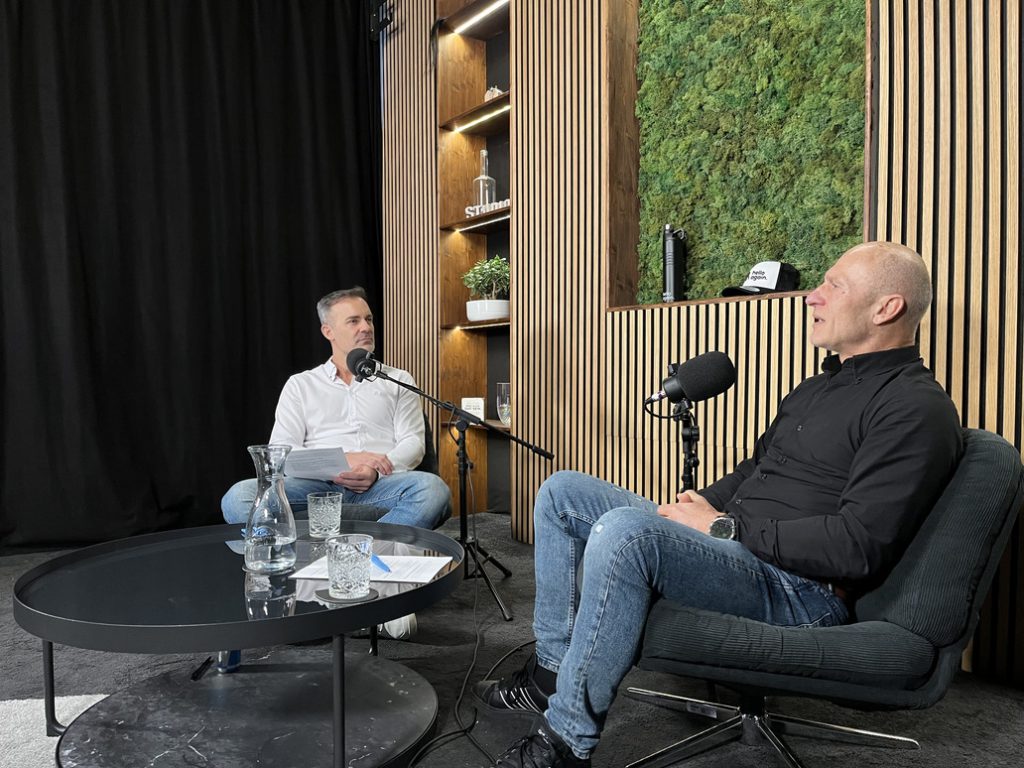
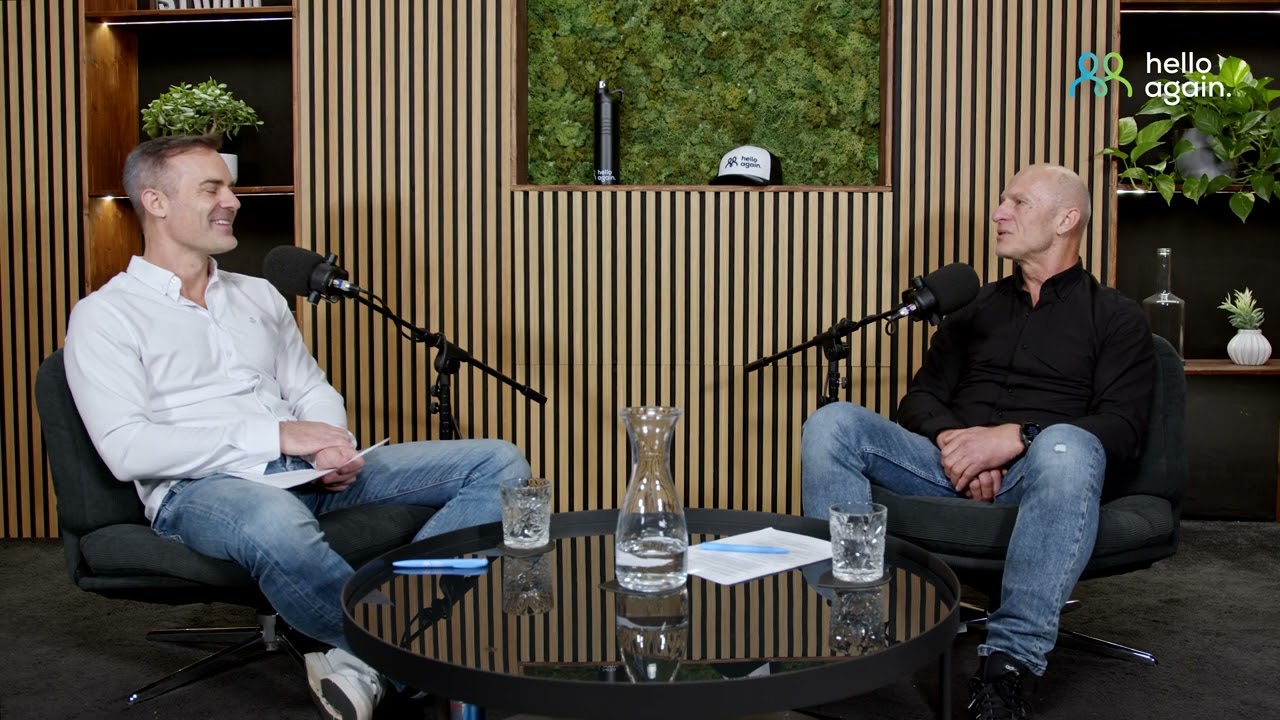
On the "hello again" podcast, we spoke with Professor Harald Kindermann, an expert in retail, data, and customer loyalty at Steyr University of Applied Sciences, to find out what really motivates customers to buy. In this article, we share these insights and take a look at the psychology of purchasing behavior.
What is Customer loyalty?
Customer loyalty encompasses all measures designed to encourage people to continue buying from you. The goal is to retain customers and provide added value. Trust is the foundation of successful and sustainable customer loyalty. It ensures that your customers keep coming back to buy from you.
The psychology behind Purchase decisions
Professor Kindermann explains that purchase decisions are rarely a purely rational evaluation of price and performance. Much more often, emotions, habits, and subconscious mechanisms determine which products we prefer. Companies that understand these psychological factors can develop targeted measures to inspire their customers and increase customer loyalty in the long term.
Personal experiences also play a crucial role. A positive first impression—whether through friendly customer service or an easy-to-use app—can lay the foundation for a long-term customer relationship.
How do emotions and experiences influence the Customer loyalty?
A purchase is more than just a financial decision. It’s often an emotional moment. Enthusiasm, trust, and satisfaction determine whether customers stay or move on. Companies that create positive experiences are rewarded with long-term loyalty.
Here’s an example: Customers who are pleased with a quick and straightforward resolution to a complaint will have a positive impression of the company. Such experiences are not only stored in their memory but are often shared with others, whether through personal recommendations or online reviews.
Why customers go to great lengths
On the "hello again" podcast, Professor Kindermann shares a personal experience that illustrates how strong customer loyalty is built. He regularly drives 30 to 40 km to a particular sporting goods store—not because the products are unique or the prices are unbeatable, but because he receives excellent advice and reliable service there.
This example illustrates: Customer loyalty is not created through cheap offers or one-off purchase incentives, but through the overall package of trust, appreciation, and personal care. People are willing to take extra time and even higher costs if they know that they can expect a first-class experience.
Why are personal relationships crucial in the digital age?
Digitalization is changing the way companies interact with their customers, with far-reaching consequences for customer loyalty. On the one hand, digital channels enable faster and more direct communication; on the other hand, due to the Automation Personal contact is often lost. The challenge is to combine the two.
Personal interaction plays a crucial role, especially when it comes to services. Companies that rely solely on simple, digital processes risk creating an anonymous customer relationship lacking emotional connection. Successful companies therefore combine digital engagement with personalized support, whether through tailored offers, interactive contests, or the strategic use of personal interaction.
5 Strategies for Strong digital customer loyalty
Based on Professor Kindermann's findings, we can identify 5 clear Strategies derive:
| Strategy | What that means |
|---|---|
| Truly Understanding Customers | If you rely solely on demographic data, you'll miss out on key purchasing motivations. Dig deeper and analyze emotional motivations to create targeted incentives. |
| Creating Positive Experiences | A smooth purchasing process alone is not enough. Well-trained staff, expert advice, and solution-oriented service make all the difference. |
| Building Relationships | Customers want to feel valued. Authentic digital communication and genuine personal interaction foster a deeper connection. |
| Using Data Smartly | Personalized offers are a powerful tool, but only if they provide genuine added value and aren't used solely for marketing purposes. |
| Reward Loyalty | Loyal customers deserve special recognition, such as through exclusive benefits or personalized offers. This helps build stronger customer loyalty. |
Digital customer loyalty programs will be a clear competitive advantage for retailers in 2026. Especially in times of economic uncertainty, they help companies position themselves and stand out from the competition. Rewarding loyalty benefits both sides.
Rainer Will, Managing Director of the Austrian Trade Association
Conclusion: Customer loyalty is more than a loyalty program
Discounts and point systems alone are not enough to sustainably bind customers to a company. True loyalty arises from emotional connections, trust, and exceptional digital experiences.
Companies that invest in these factors build strong brand loyalty and achieve long-term success. You can find more insights from Prof. Kindermann in our article on digital customer loyalty programs.
Frequently Asked Questions About the Psychology of Shopping
Are purchasing decisions really mostly emotional?
Yes. Even though price and performance play a role, it’s usually emotions, habits, and subconscious mechanisms that determine which product or offer we choose. Companies that understand this can address their customers’ needs more effectively.
Why are some customers willing to travel long distances to shop at a store?
Because they receive excellent advice and reliable service there—things they don't find elsewhere. For many people, experiences like these are more important than a lower price or a shorter commute.
How important is personal contact in the digital age?
Very important. Digital channels enable faster communication, but they must not result in customer relationships becoming anonymous. Successful companies combine digital efficiency with genuine personal interaction.
Is a traditional loyalty program with discounts enough?
No, discounts and rewards programs alone rarely create lasting customer loyalty. True loyalty comes from trust, positive experiences, and the feeling of being treated as a person—not just a customer number.
Which strategy should I implement first?
The best place to start is by truly understanding your customers: Analyze not only demographic data but also the emotional motivations behind their purchases. All other strategies—such as experiences, relationships, and rewards—can be built on this foundation.