


The first few minutes with a new client are like a speed date. You barely have any time, but any information counts.
What she or he buys, how often the person returns, what matters to her—all of this is customer data. And when used correctly, it is precisely this data that turns a one-time purchase into a long-term relationship.
However, the situation has changed: Nowadays, fair data handling is more important than ever. Traditional tracking cookies are becoming increasingly rare, while at the same time, customers expect more and more transparency. In this environment, those who rely on their own data—used intelligently—gain a clear advantage.
Why Customer Data are more important today than ever
Many companies collect customer data but hardly ever use it. Points are tracked, purchase histories are stored—and then they end up gathering dust. Yet this is precisely where the potential lies. Those who actively analyze their data can identify patterns before their competitors do.
With the end of traditional tracking cookies, data you receive directly from your customers is becoming even more important. First-party and zero-party data—that is, information that customers voluntarily provide to you—are becoming the most important source of data in marketing.
What types of customer data are there?
Not all customer data is the same. Broadly speaking, it can be divided into four groups.
Master Data
Name, email address, date of birth, or place of residence. The basis for any further analysis and for personalized communication.
Behavioral Data
Purchase history, visit frequency, app usage. These metrics show you just how active and loyal a customer really is.
Preference and Zero-Party Data
Preferences that customers voluntarily share with you, such as through a short survey in the app. This data is particularly valuable because it comes directly from the source.
How Big Data and Artificial Intelligence Making Customer Data Actionable
Big Data refers to large, often complex sets of data that exceed the capacity of traditional spreadsheets. Only through analysis can these data be turned into useful insights. Artificial Intelligence takes care of exactly this step. It recognizes patterns automatically process large amounts of data much faster than a team could do manually.
For you, this means: Personalized Offers, spot-on recommendations and Campaigns, which arrived at the right time at the the right person land.
Customer Data Throughout the Customer Journey
The Customer Journey describes a customer's entire journey, from the initial point of contact to a referral.
Different ones are created at each station Data: Interests during the initial contact, shopping cart and total amount at the time of purchase, followed by frequency and feedback. Anyone who connects these points understands the entire relationship rather than just individual moments.
Classify Customer Relationships Based on Key Metrics
Not every customer deserves to be addressed in the same way. A proven method for this is RFM: Recency, Frequency, Monetary – that is, how recently, how often, and how much someone buys.
With smart CRM features like our Customer Data Management Such segments can be created automatically and updated on an ongoing basis.
| Segment | Characteristic | Sample Campaign |
|---|---|---|
| Champions | Make frequent purchases, on a regular basis, and in large amounts | Offer an Exclusive Bonus |
| Loyal | Buy regularly, in substantial amounts | Indicate the next level |
| Risk | Haven't been active for a while | Send a Reactivation Offer |
| New | Just made my first purchase | Offer a welcome bonus |
Real-world example: Customer Data in the Restaurant Industry
Targeted Use of Collected Data
A café notices through the app that a regular customer buys a cappuccino every Friday morning. If she doesn't show up one time, it's worth sending her a brief, personal reminder. Also, a Digital Stamp Passport This says a lot: If you're about to receive your next bonus, a little nudge is all it takes to get you to come back.
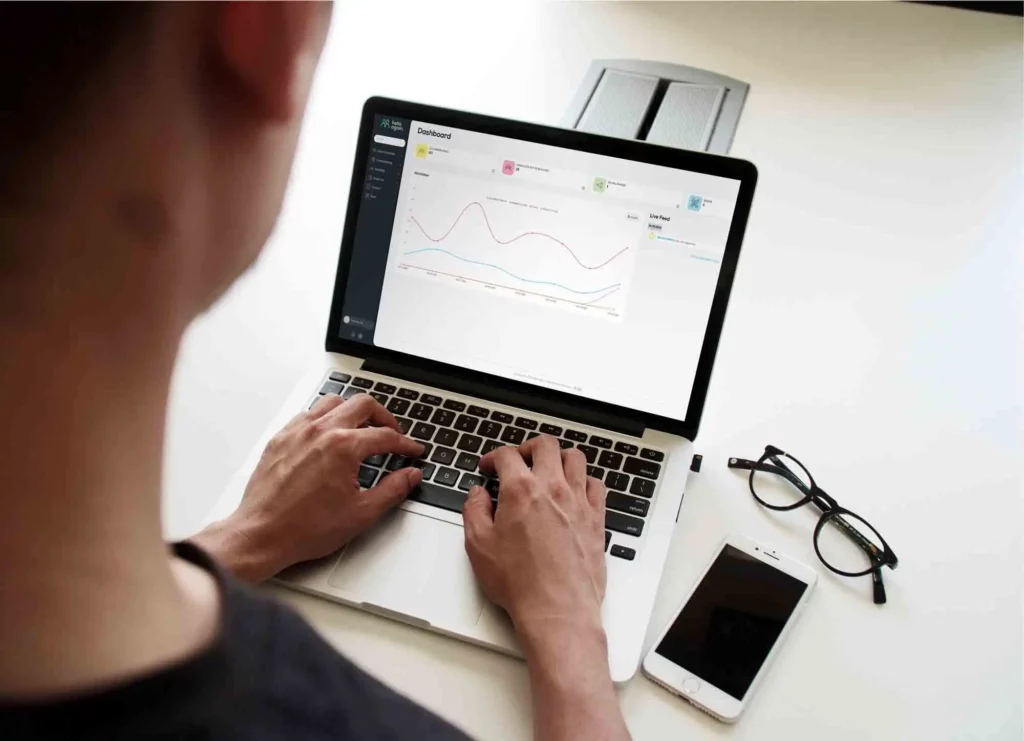
With a Performance Dashboard You can keep track of key metrics such as the return rate and visit frequency at all times.
Data Protection and Trust as a Foundation
Customer data is only as valuable as the trust behind it. That's why you should collect Only the data you really need, and get active consent Transparency pays off: Companies that openly explain how data is used are more likely to receive permission from customers to do so.
Conclusion
Customer data only becomes valuable when you actively analyze it and translate it into genuine customer engagement. This data doesn’t replace gut instinct—it complements it. When you combine the two, you make decisions that customers truly appreciate.
Frequently Asked Questions
What exactly is customer data?
Customer data refers to all the information a company collects about its customers. This includes basic information such as names and contact details, behavioral data such as purchase history and visit frequency, and preference data that customers voluntarily share. Together, these elements paint a picture of who your customers are and what they want.
What customer data am I allowed to collect in the EU?
As a general rule, you may only process personal data if you have a legal basis for doing so, which is usually consent. Clearly communicate what data you collect and how you use it. Also, make sure that customers can withdraw their consent at any time.
What is the difference between first-party and zero-party data?
First-party data is generated automatically based on your customers’ behavior, such as purchases or app usage. Zero-party data is actively and voluntarily shared with you by customers, for example through a survey or a profile. Both types of data belong directly to you and are independent of external cookies or third-party providers.
How do I get started if I'm not yet collecting customer data?
The easiest way to get started is with a digital loyalty program or an app that customers can sign up for voluntarily. Even basic information like email addresses and purchase history can provide valuable initial insights. You can fill in the gaps later by gathering preferences—for example, through a short survey.
How often should I analyze my customer data?
It’s worth checking in regularly—for example, once a month—to review a dashboard with the key metrics. This allows you to spot changes early on, such as when a customer group starts returning less frequently. For larger campaigns, it’s also a good idea to conduct an analysis immediately afterward.